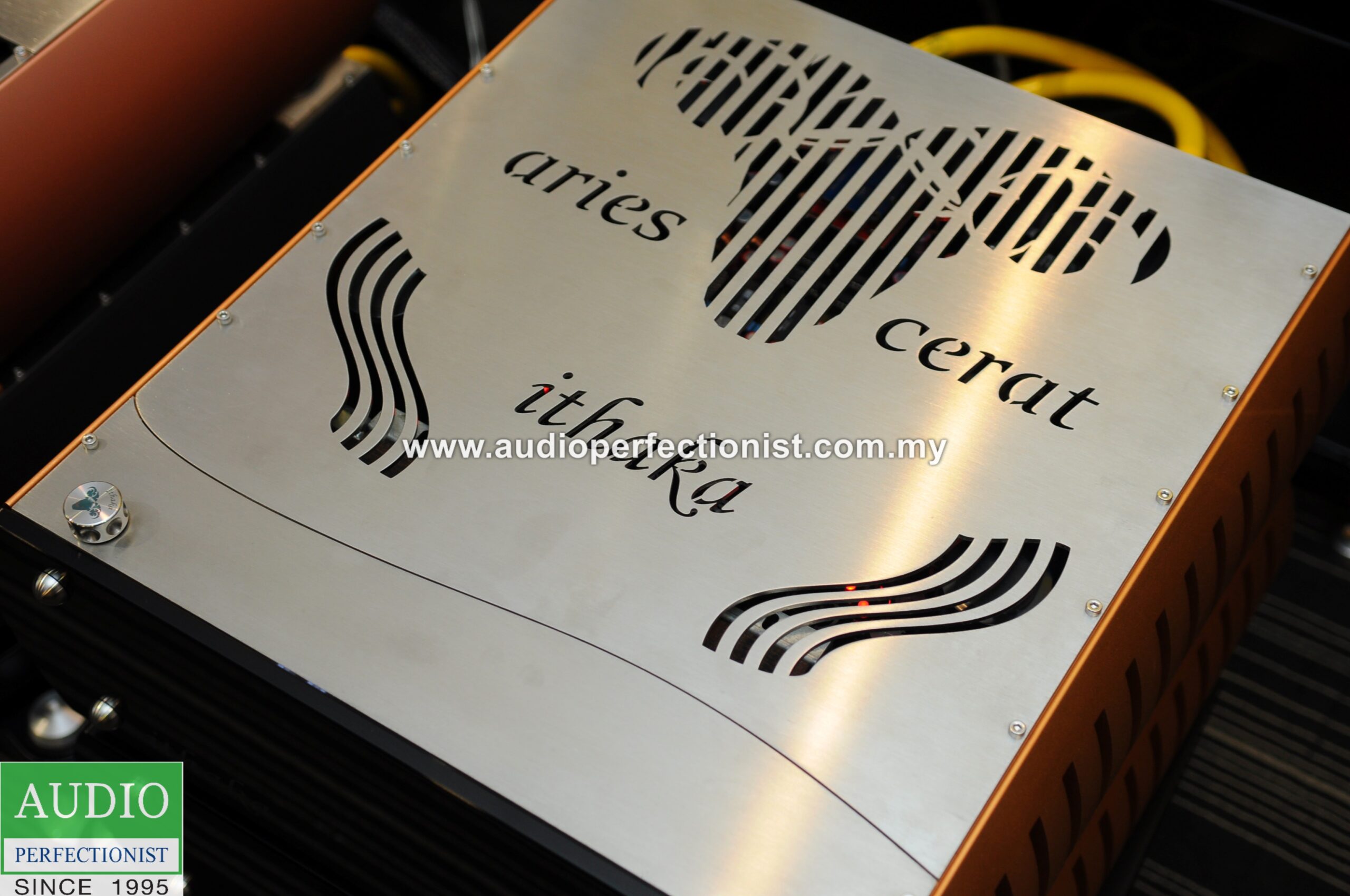
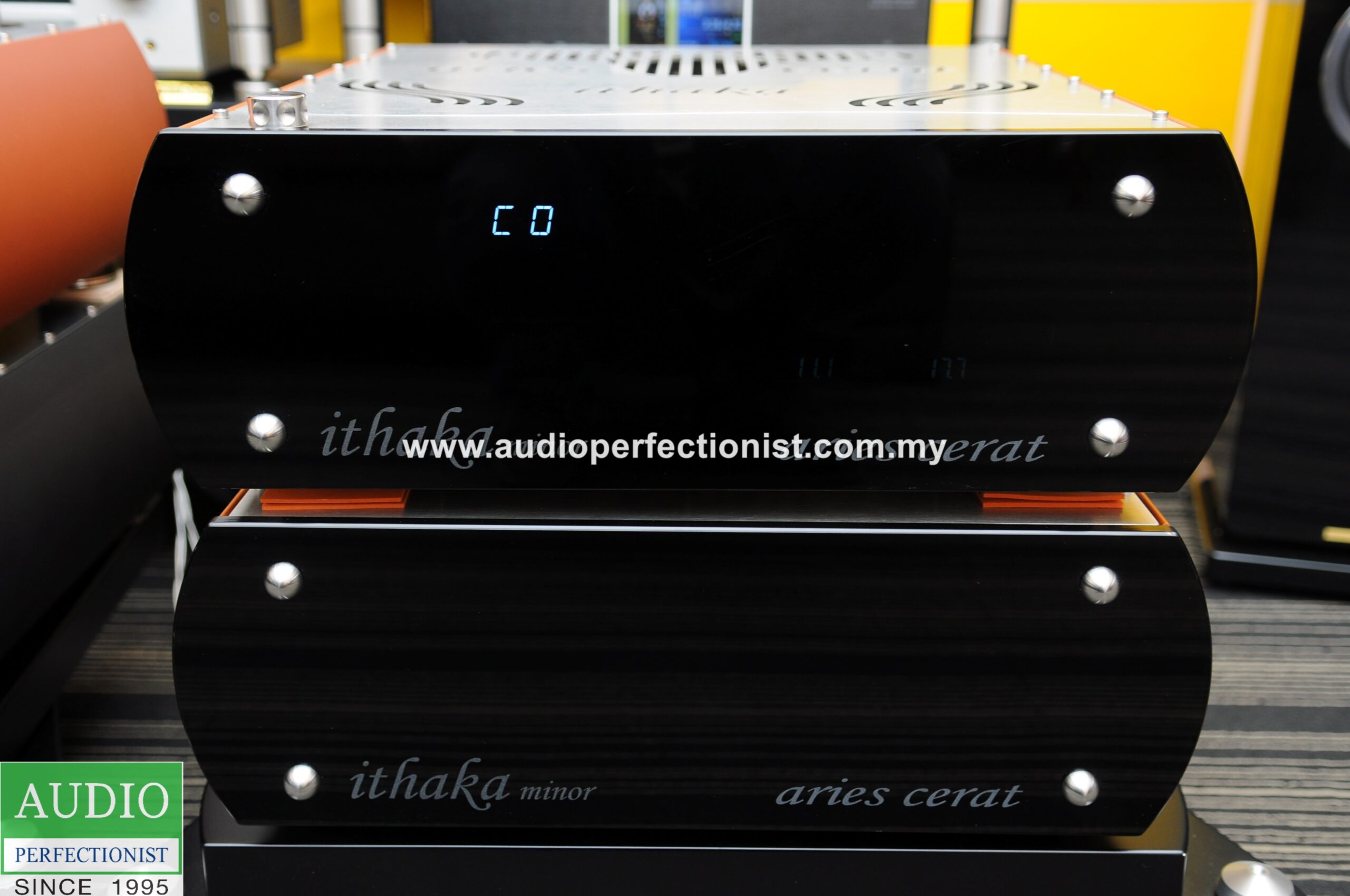
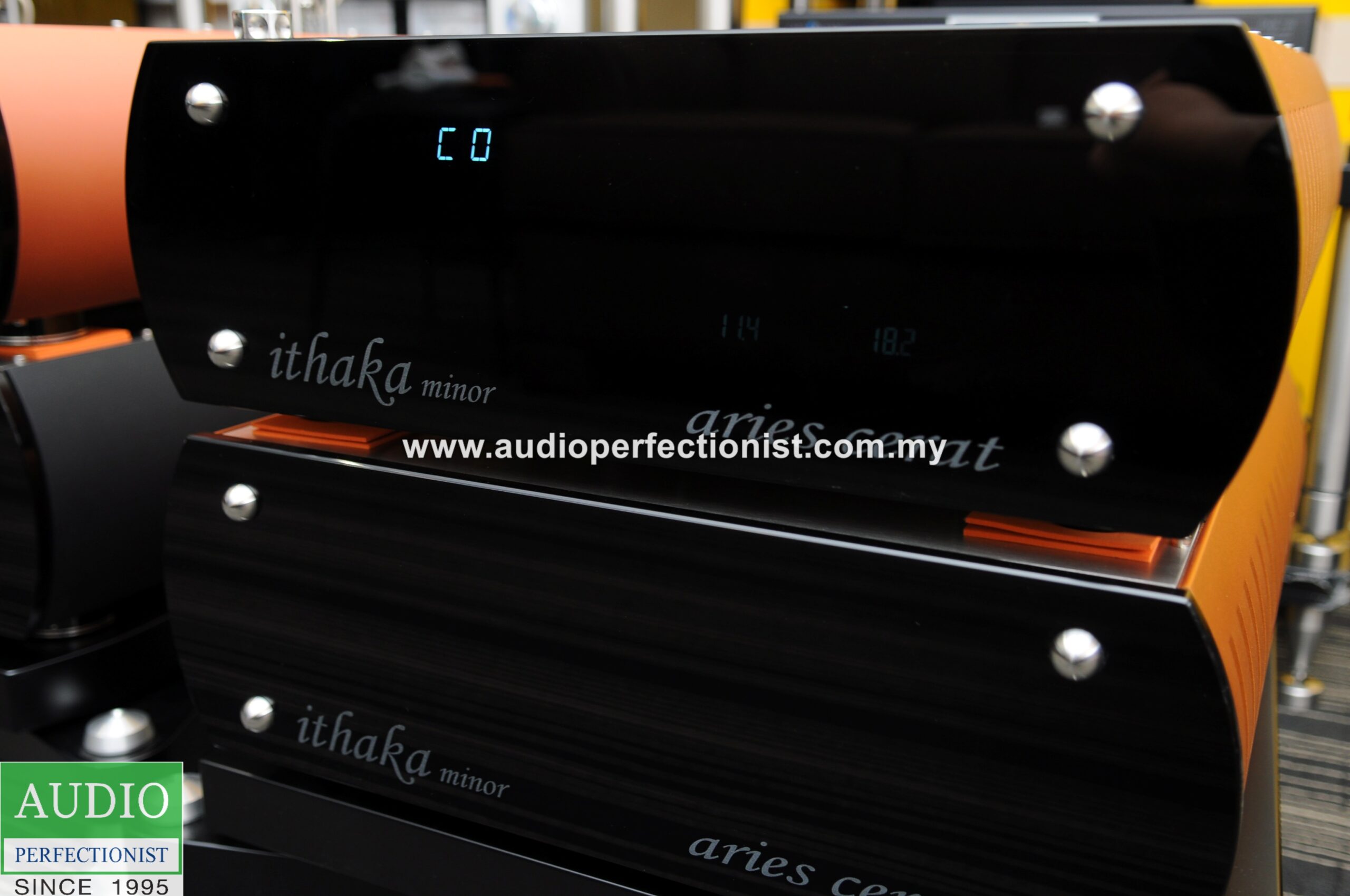
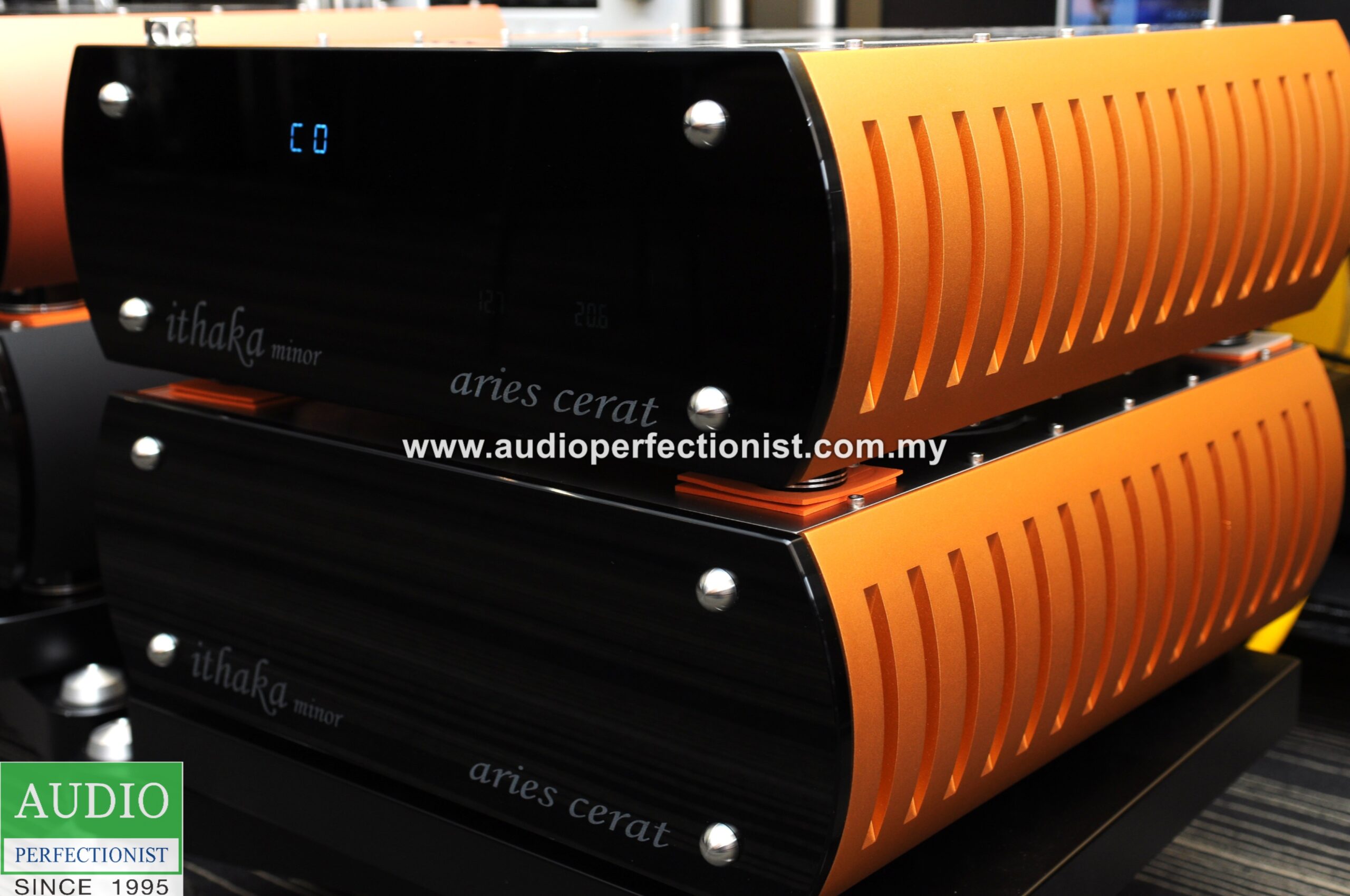
The Ithaka minor are ladder DACs. Typically a ladder DAC uses a resistor network switched by a N number of switches, N being the bit depth. It is a passive sort of speak procedure with no manipulation of the incoming data stream.
It also has no digital filter, and completely avoids the negative sonic aspects created by fitting the common Delta-Sigma or Multibit architecture.
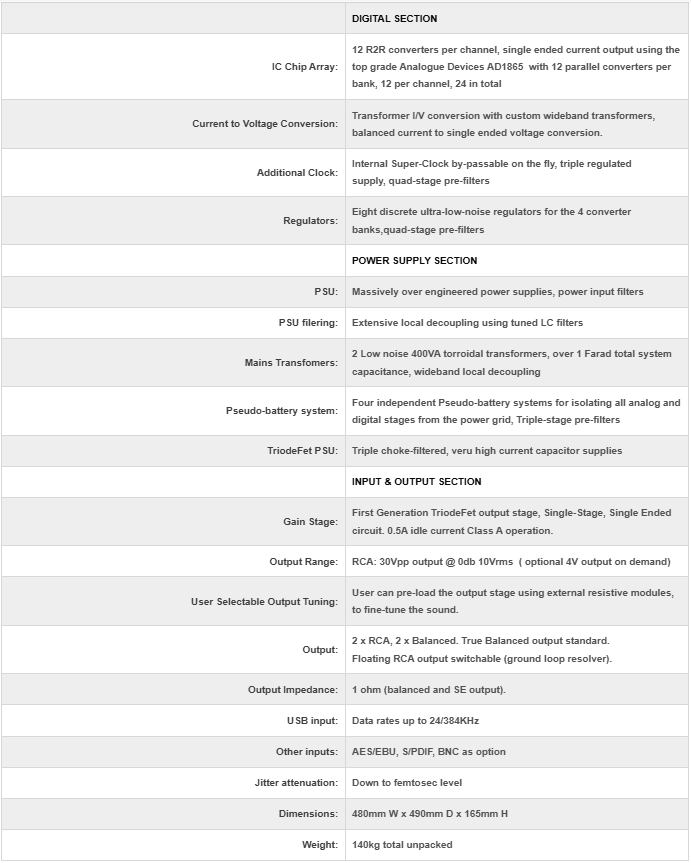
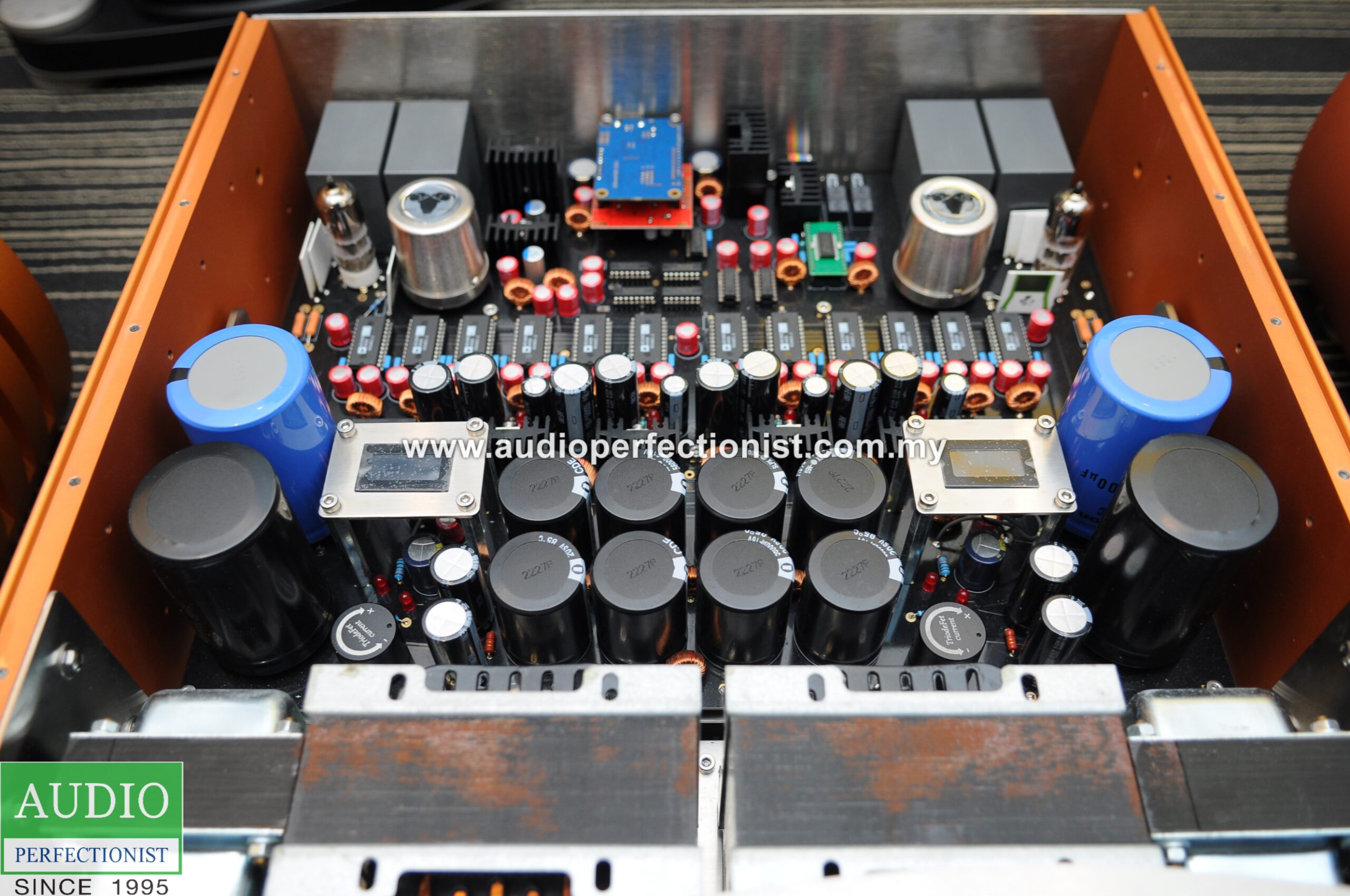
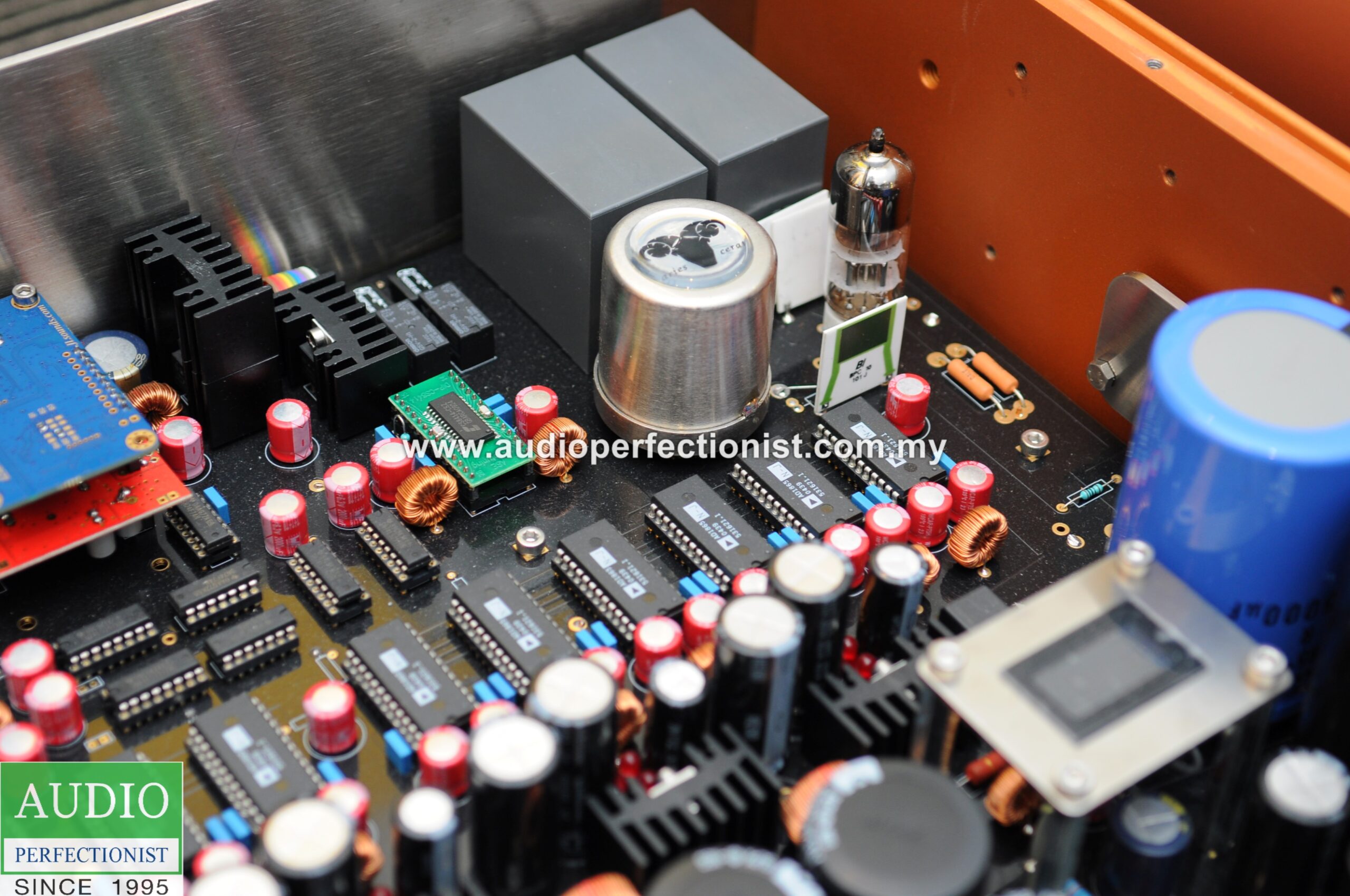
In the case of the Ithaka minor, we choose to use an R2R IC – the classic Analogue Devices AD1865, a much praised chip which we believe is the best sounding IC ever made. No less than 12 R2R converters per channel. The AD1865 has a very straight forward data handling logic, and does not process the data stream in any way. This gave us the freedom to fully exploit the IC in our converter system.
The input data is latched and directly refreshes the resistor network, with absolutely no additional complex logic or data handling/processing. This way we have full control over the resistor network to use it as part of our converter system. Our Super Clock circuit directly re-clocks and drives the “refresh” signal, so absolutely no additional jitter is induced in the conversion.
The Ithaka minor differentiates itself to its bigger brother by the configuration, and number of converter banks used. Where as the Ithaka uses two 12 (in parallel) converter banks in differential mode , per channel, the Ithaka minor uses a single 12 (in parallel) converter bank, in single ended mode, per channel.
The use of parallel switched resistor ladder converters, aim in cancelling the deviation of resistor values down to Zero. Paralleling R2R converters improves linearity and noise figures are improved on the same principles, along with the dynamic range and channel separation. Sonic wise, paralleling converters elevate performance to another level in all aspects significant in high end audio.